The National Museum of Natural History, Sofia in the European Researchers’ Night
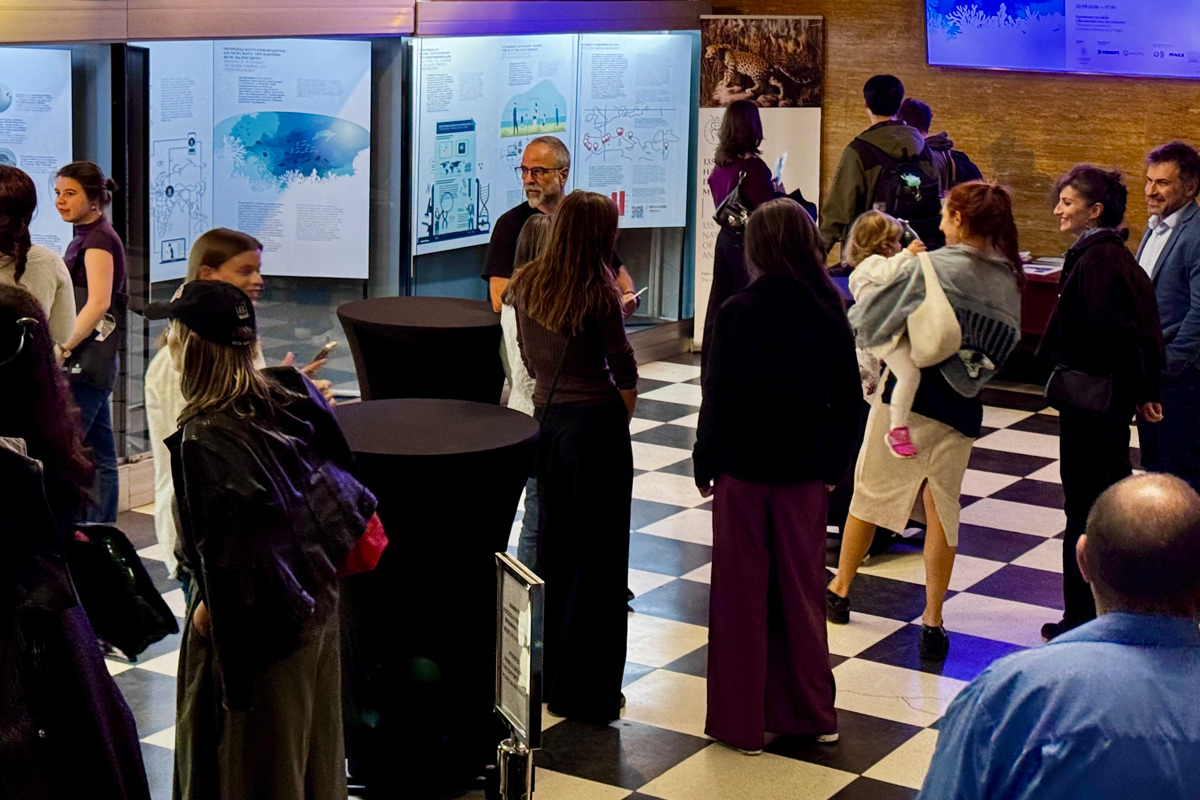
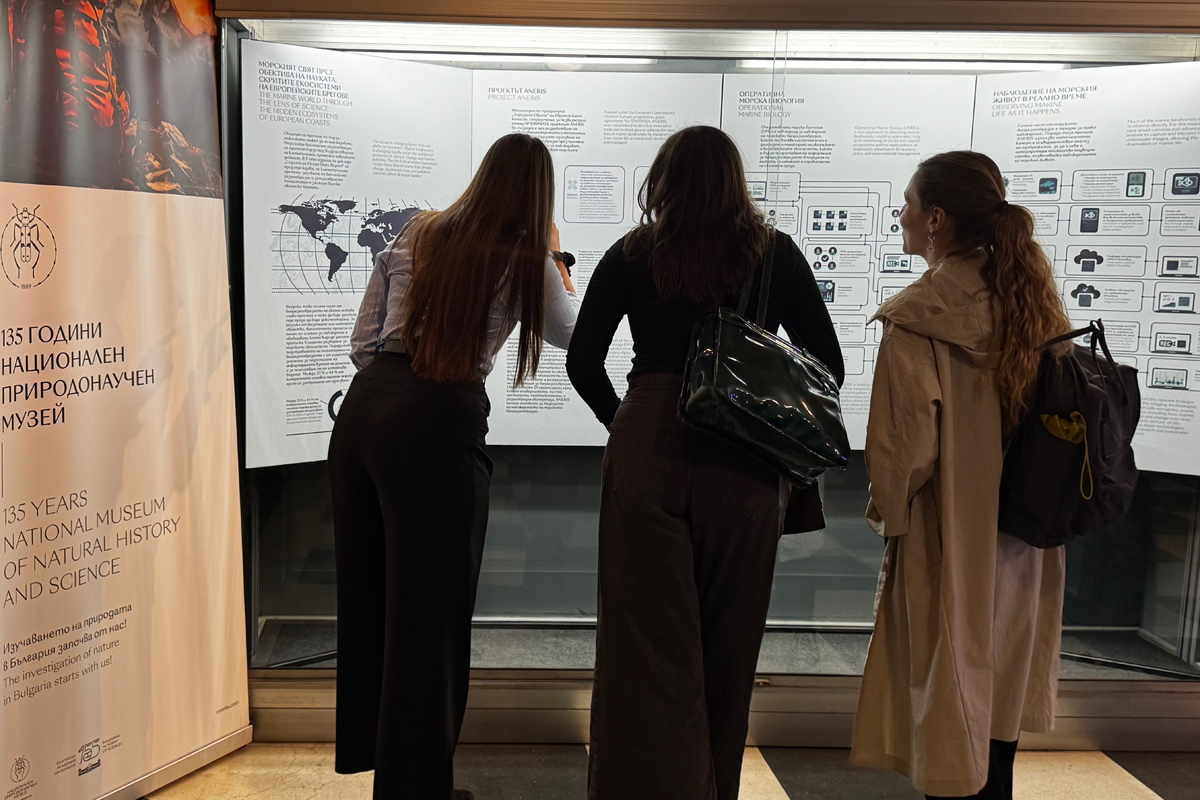
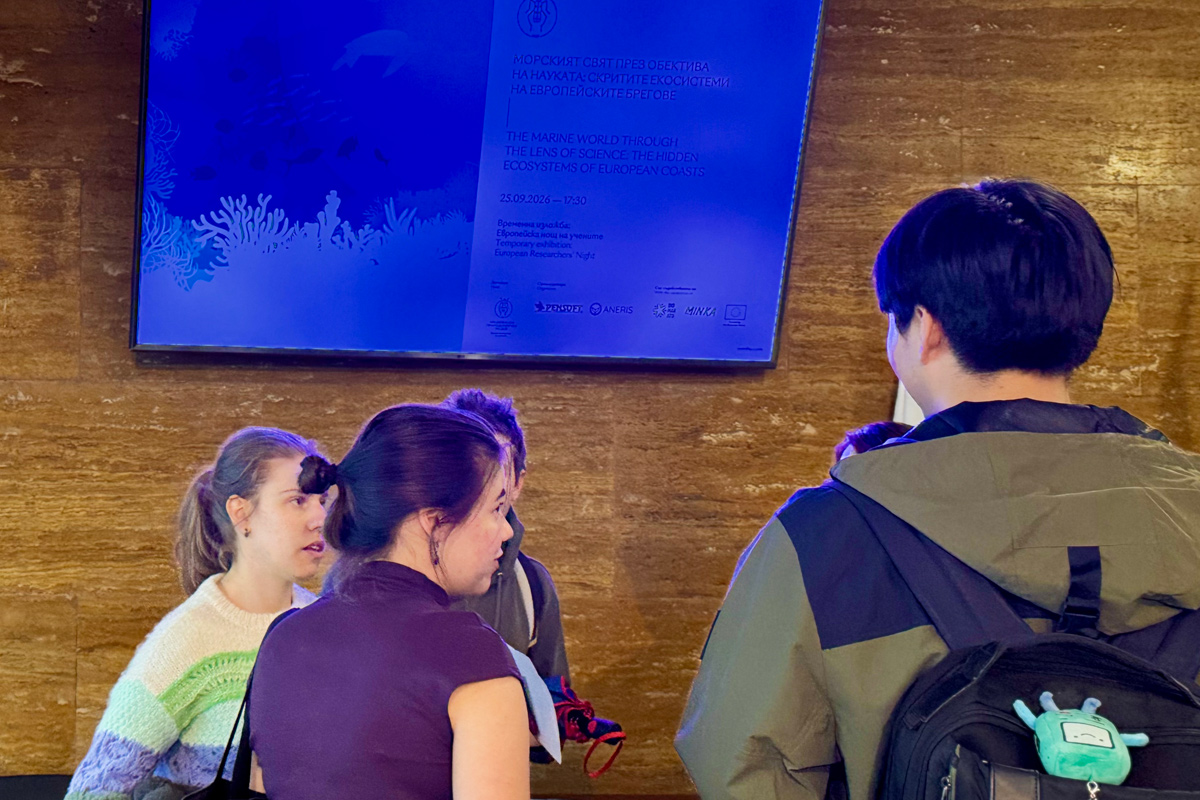
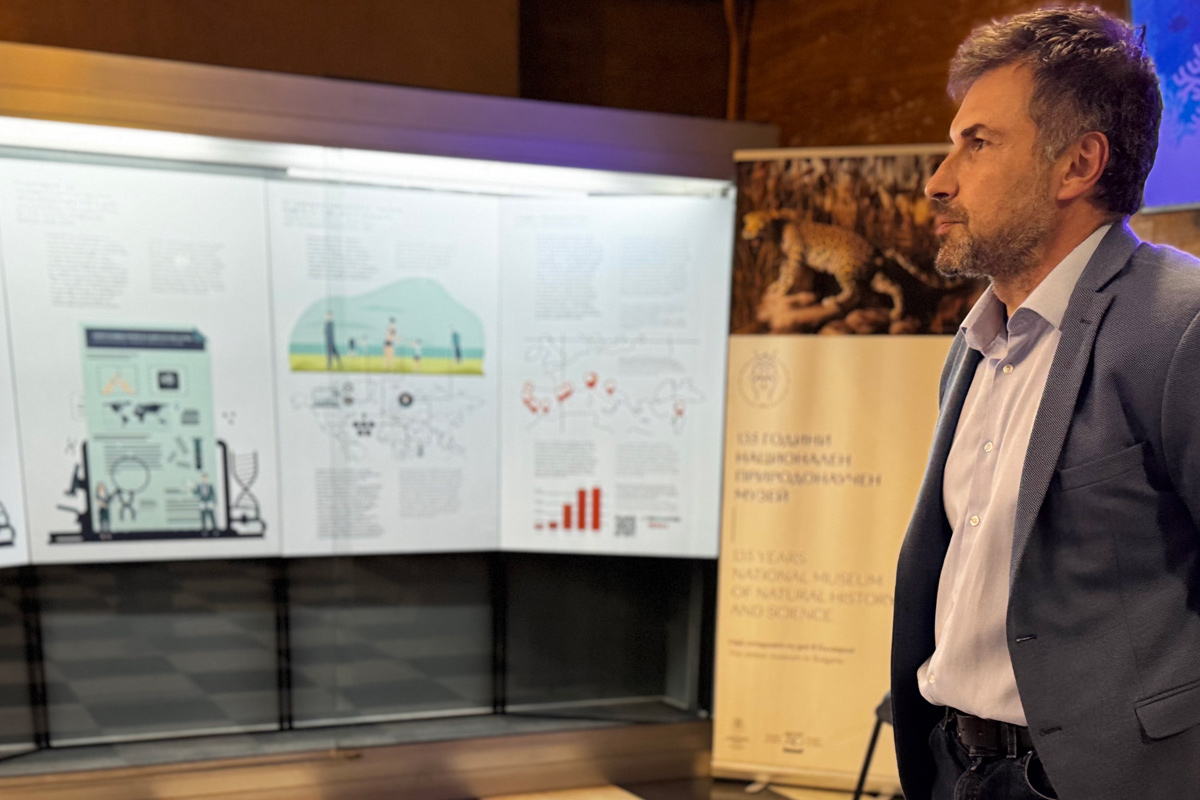
On 25 September 2026, at 5:30 PM, in the museum foyer, Prof. Pavel Stoev, Director of the National Museum of Natural History, Sofia, opened a guest exhibition “The Marine World Through the Lens of Science: Hidden Ecosystems of European Coasts”.
The exhibition was created as part of the ANERIS project, which brings together 25 organizations, including universities, research institutes, and private companies with diverse expertise to lay the groundwork for real-time marine biodiversity monitoring.
Marine biodiversity is changing rapidly due to the impact of climate change and human activity. These changes occur much faster than scientists can document them, meaning a significant portion of biodiversity could be lost before it is even recorded. One reason for this is that biological processes are far more complex to observe and synthesize than physical or chemical ones, leading to gaps in our understanding of marine ecosystems. Consequently, improving marine biodiversity monitoring is essential for informed decision-making and for ensuring a more sustainable future.
The exhibition illustrates how researchers observe marine life in real time by identifying organisms through their genetic fingerprints. Scientists analyze the minute traces of genetic material left in the water by marine inhabitants. By analyzing these invisible clues, they can determine which species are present without needing to observe them directly.
These tools help identify marine species and track changes in biodiversity, providing valuable information for scientific research, conservation, and the sustainable management of Europe’s waters.
The ANERIS project combines digital technologies with citizen science through the MINKA platform. The platform serves as an online space for organizing “biomarathons” — large-scale biodiversity observation campaigns conducted across Europe. Participants use mobile and web applications to record marine species, while artificial intelligence and experts assist in identifying organisms and ensuring the quality of the observations. In this way, the vast amount of data collected by citizens is transformed into valuable scientific information for biodiversity researchers.
The ANERIS project is funded by the European Commission’s Horizon Europe program under grant agreement No. 101094924.